

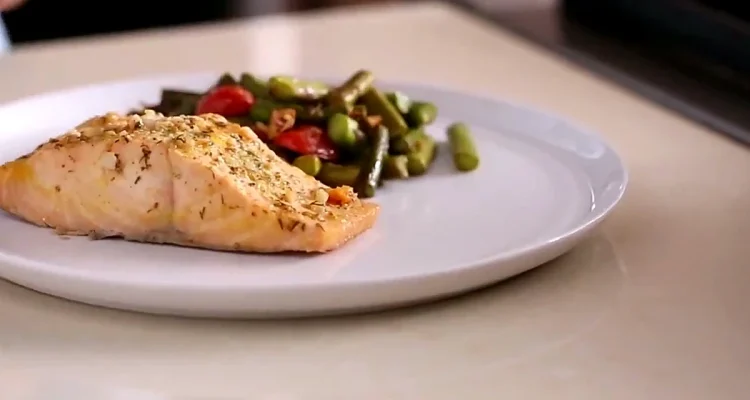
You know those dinners that look like a whole restaurant moment, but the pan is doing most of the work for you?
That is exactly the mood with this salmon asparagus salad, and honestly, the orange Dijon sauce is the little bossy part that makes everyone pay attention.
The salmon gets poached in wine, orange juice, garlic, dill, and orange slices, so it stays tender without needing any dramatic kitchen behavior.
Then the asparagus gets tossed with tomatoes, rice vinegar, pepper, smoky almonds, and Manchego, which sounds fancy but eats like an easy weeknight plate.
This one feels right for spring dinners, Easter lunch, or one of those lighter holiday meals where you still want something with color, and it would sit nicely beside Baked Salmon in Foil With Asparagus and Lemon Garlic, Keto Asparagus Salad, or Grilled Chicken Taco Salad.
What Goes Into This Citrus Salmon
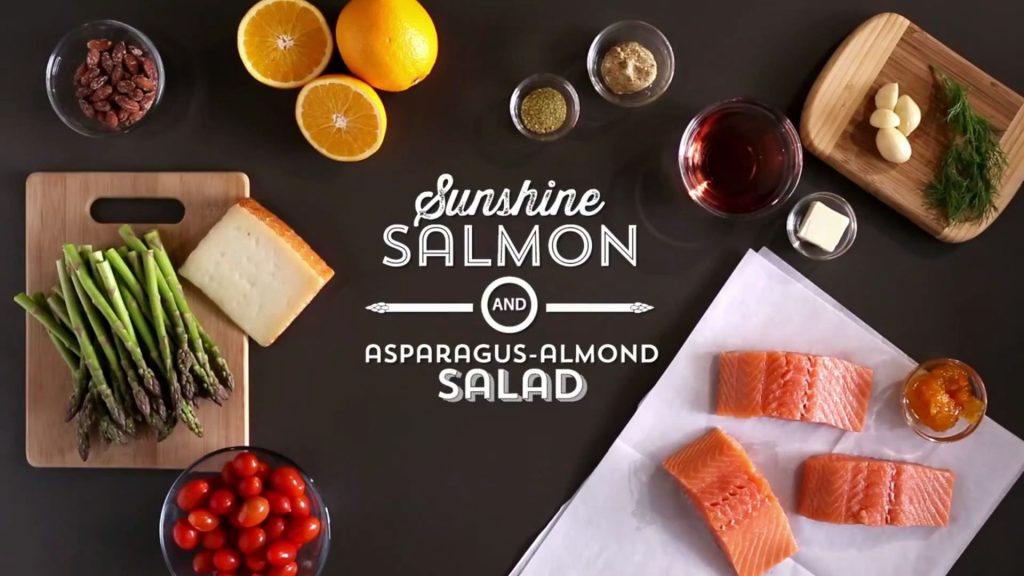
How To Make Sunshine Salmon and Asparagus Almond Salad
1. Start the citrus poaching liquid
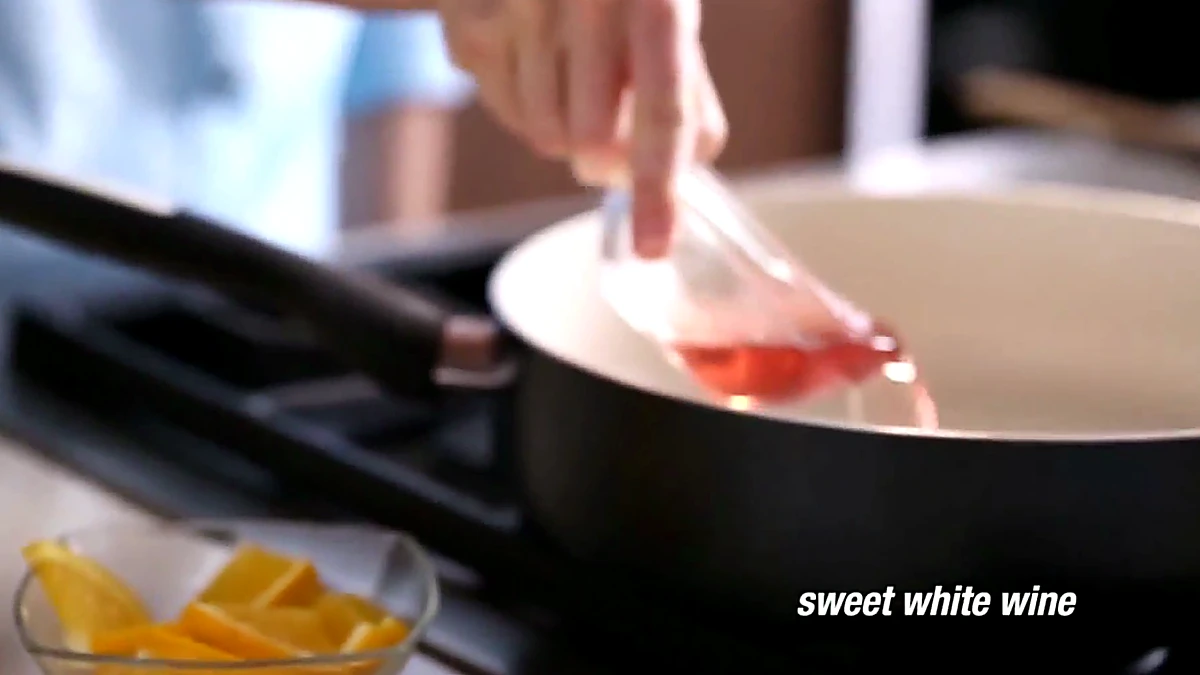
Pour the sweet white wine into a large saute pan.
Add the fresh orange juice right after it, because this is where the sauce starts tasting sunny without getting sweet in a weird way.

2. Add the garlic, dill, and orange slices
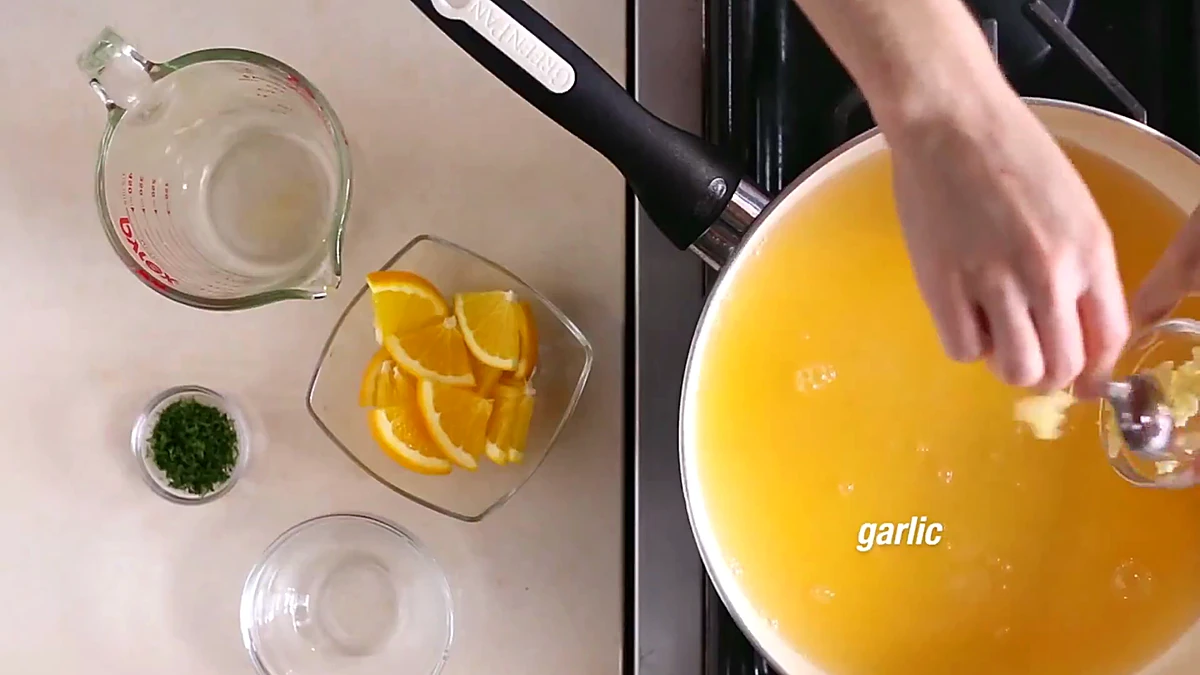
Scatter the chopped garlic into the orange wine mixture.
Add the fresh dill and orange slices, then let the pan start smelling like you planned this dinner way harder than you did.
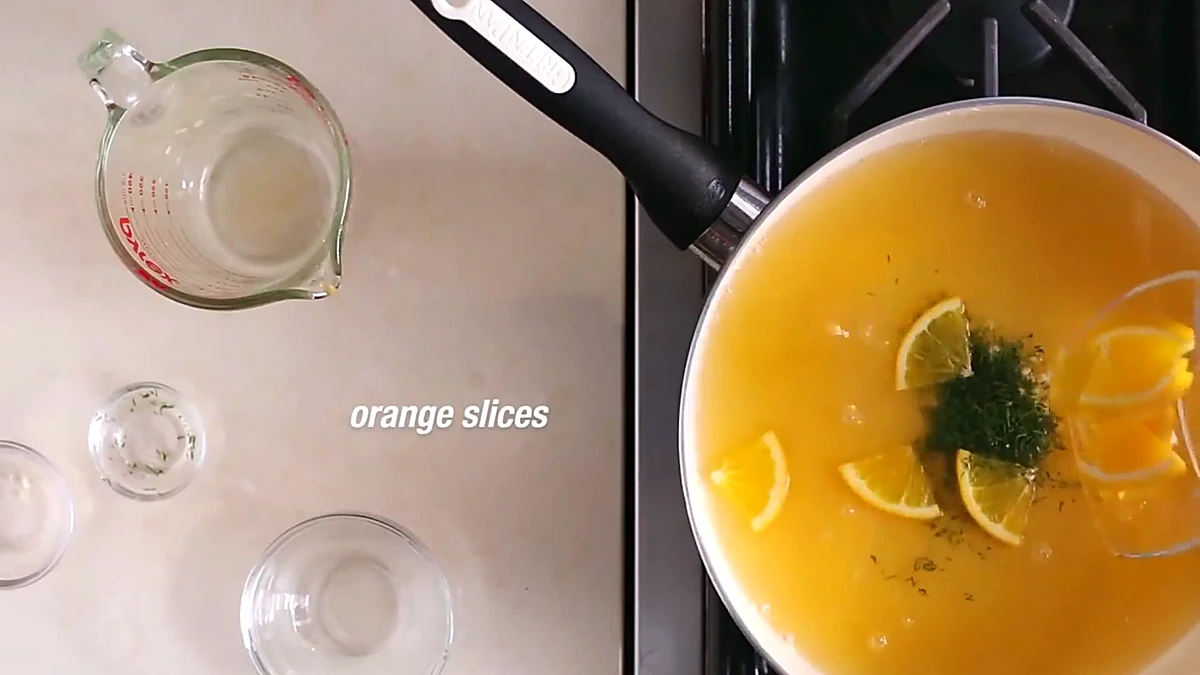
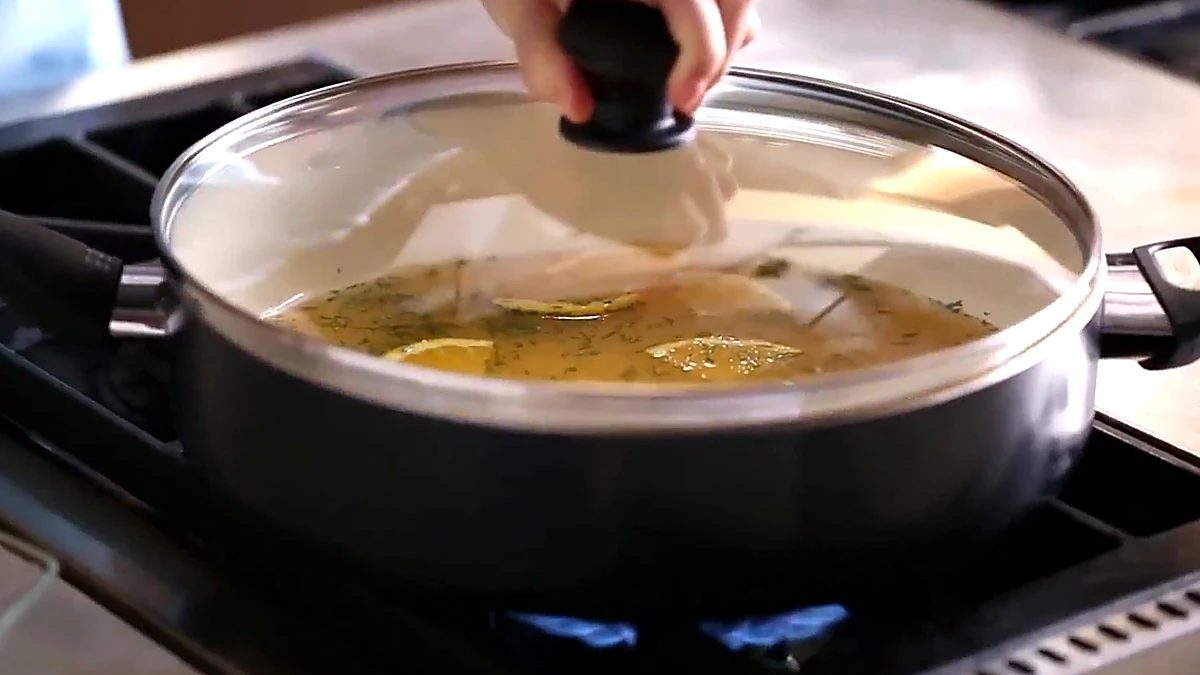
3. Cover and simmer the citrus base
Cover the pan and bring the liquid to a boil over medium high heat.
Lower the heat and let it simmer uncovered so the orange, dill, and garlic can settle into the liquid.
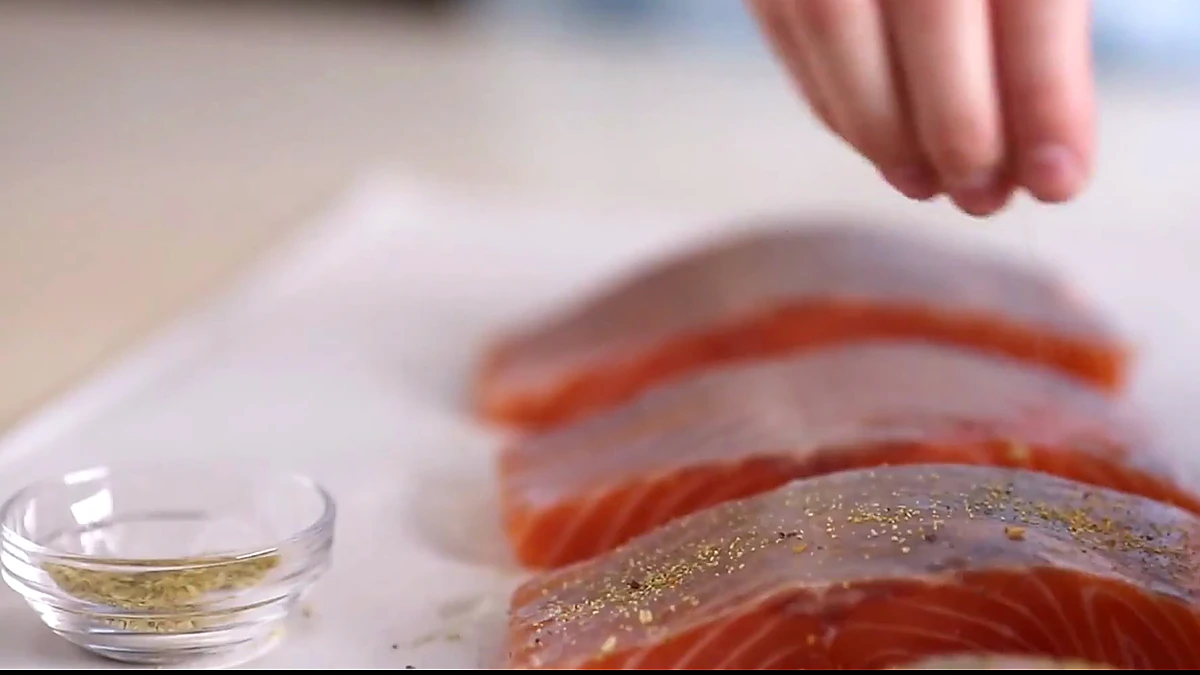
4. Season the salmon fillets
Season the salmon on both sides with the garlic herb seasoning and pepper.
Keep the pieces in one layer so each fillet cooks evenly once it hits the pan.
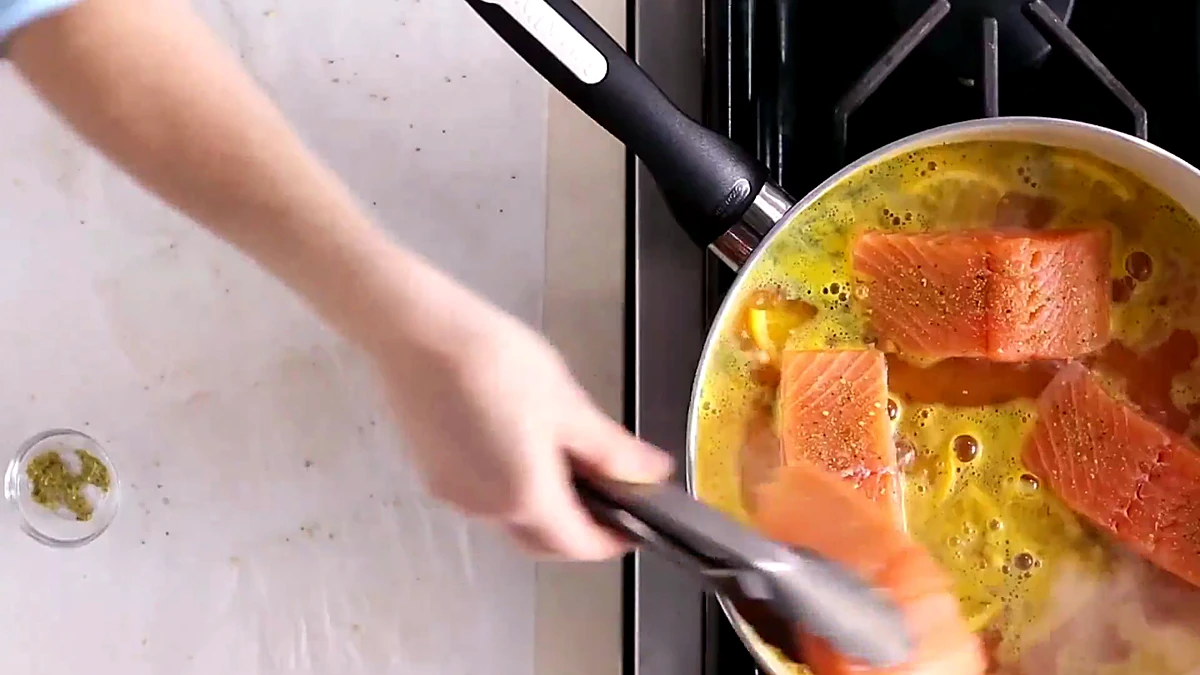
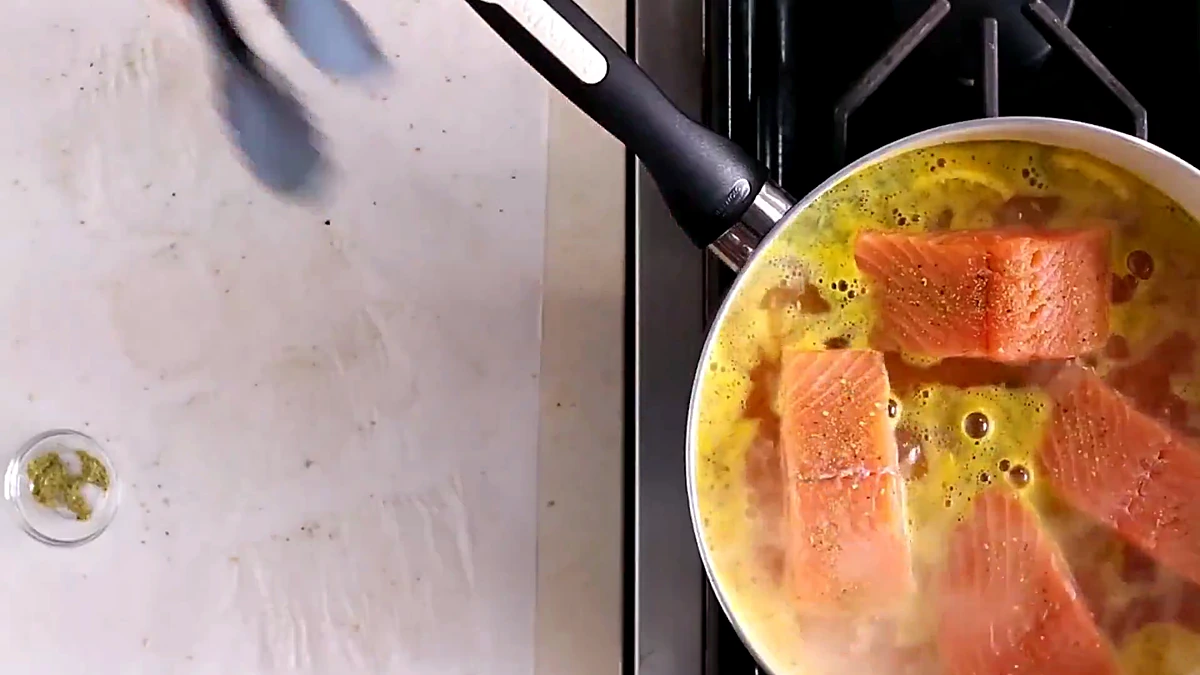
5. Add the salmon to the pan
Slide the salmon into the citrus mixture with the pretty side facing up.
Let it simmer gently, then turn the fillets so both sides cook in that orange dill liquid.
6. Stir in marmalade and Dijon
Transfer the cooked salmon to a serving plate once it turns opaque and flakes easily.
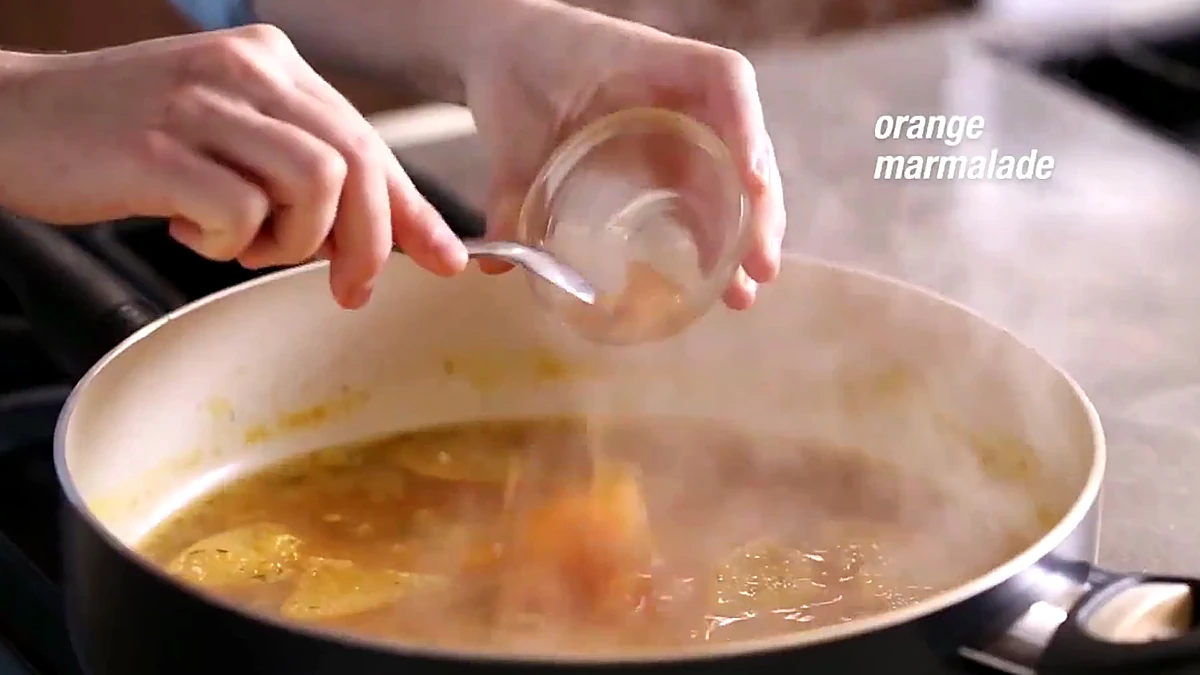
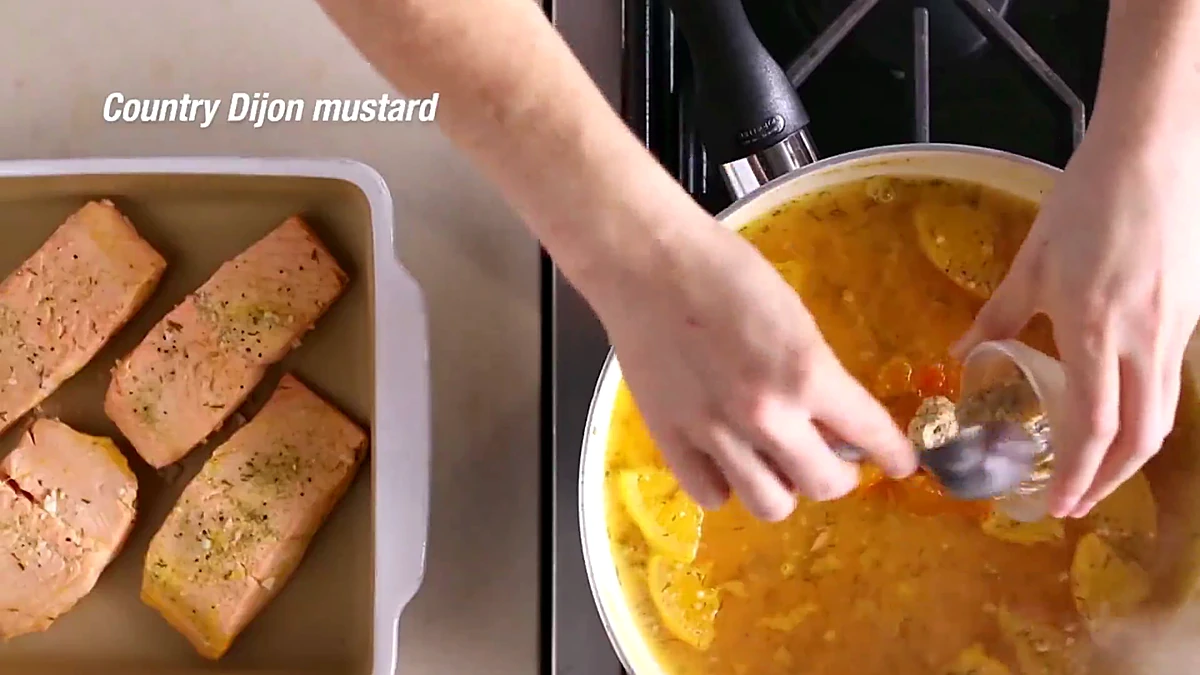
Add orange marmalade and Country Dijon mustard to the liquid left in the pan.
7. Finish the sauce with butter
Stir the sauce until the marmalade melts in and the liquid gets a little glossy.
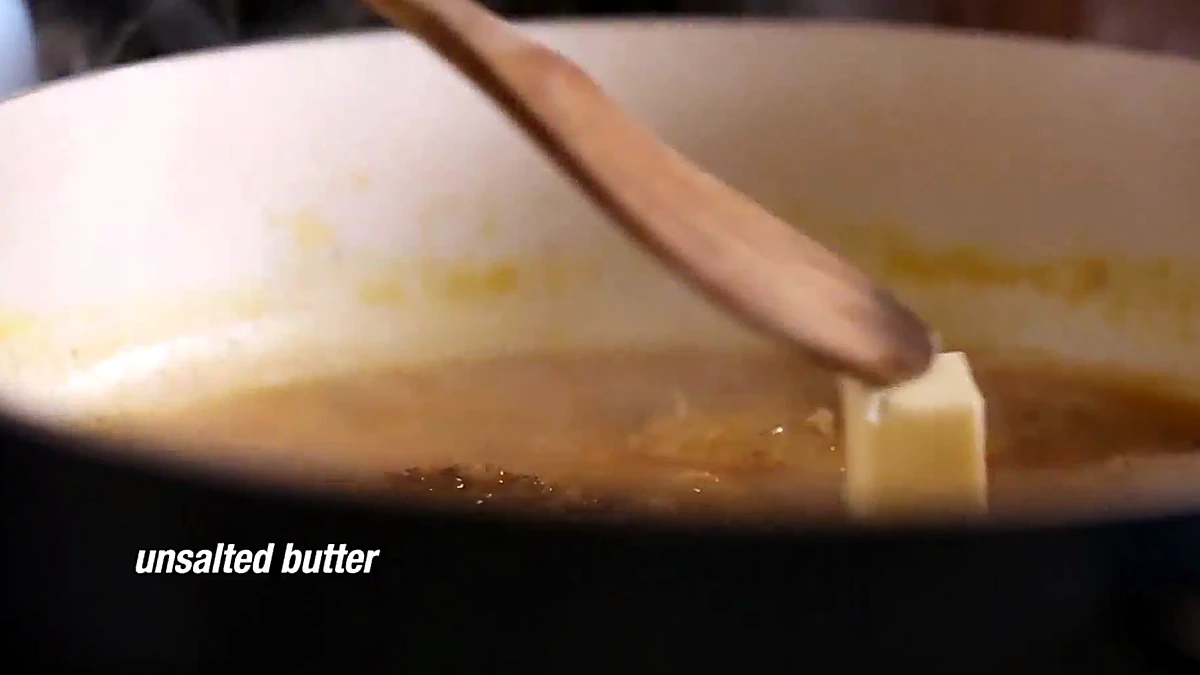
Take the pan off the heat and stir in the butter gently so the orange pieces stay mostly intact.
8. Cut the asparagus
Trim away the tough ends from the asparagus and cut the spears into bite size pieces.
This keeps the salad easy to fork up with the salmon, which is the whole point, right?
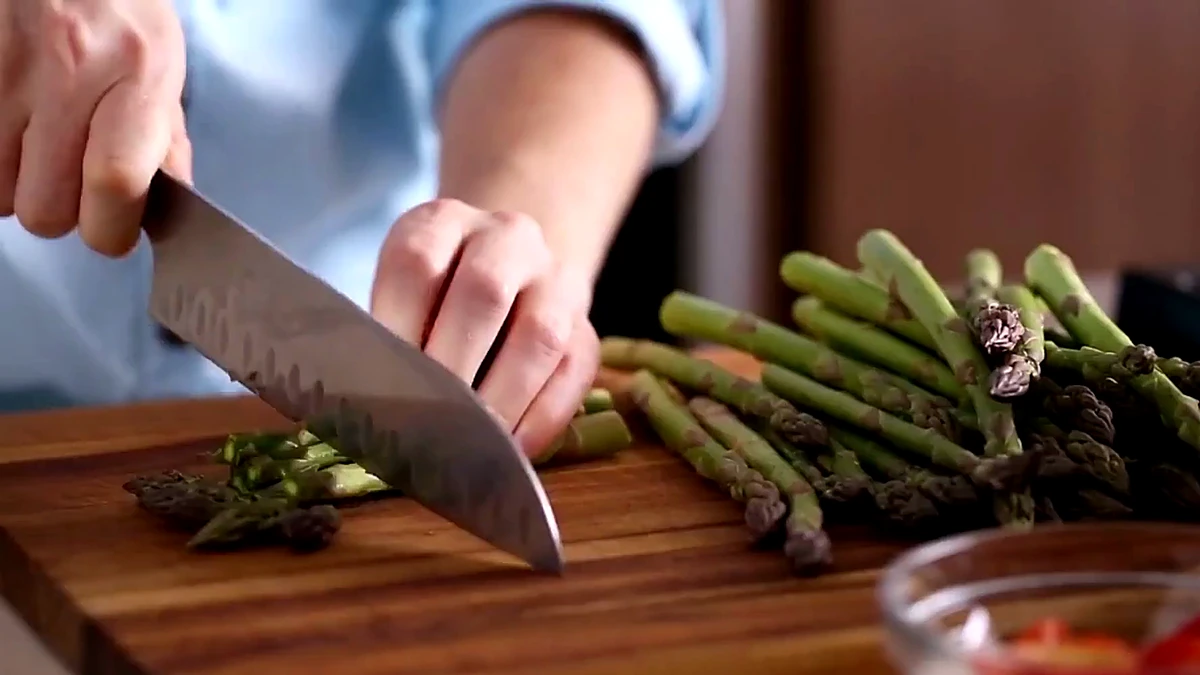
9. Cook the asparagus in oil
Heat canola oil in a large nonstick pan.
Add the asparagus and stir it around so it softens but still keeps a little snap.
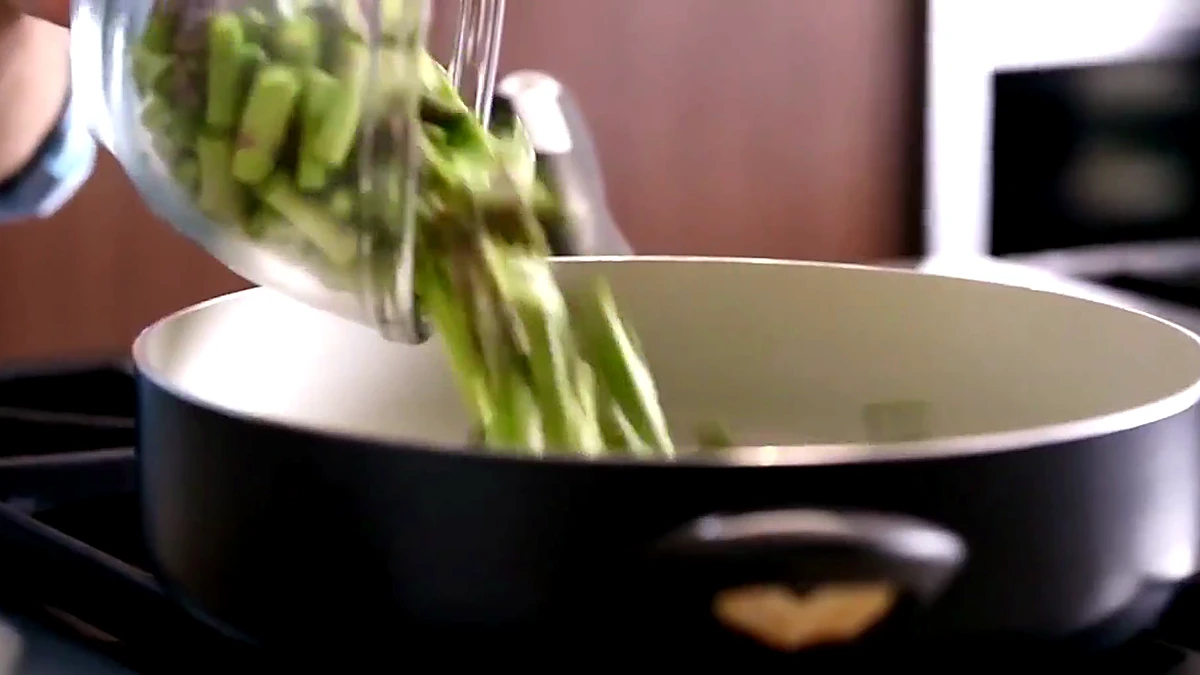
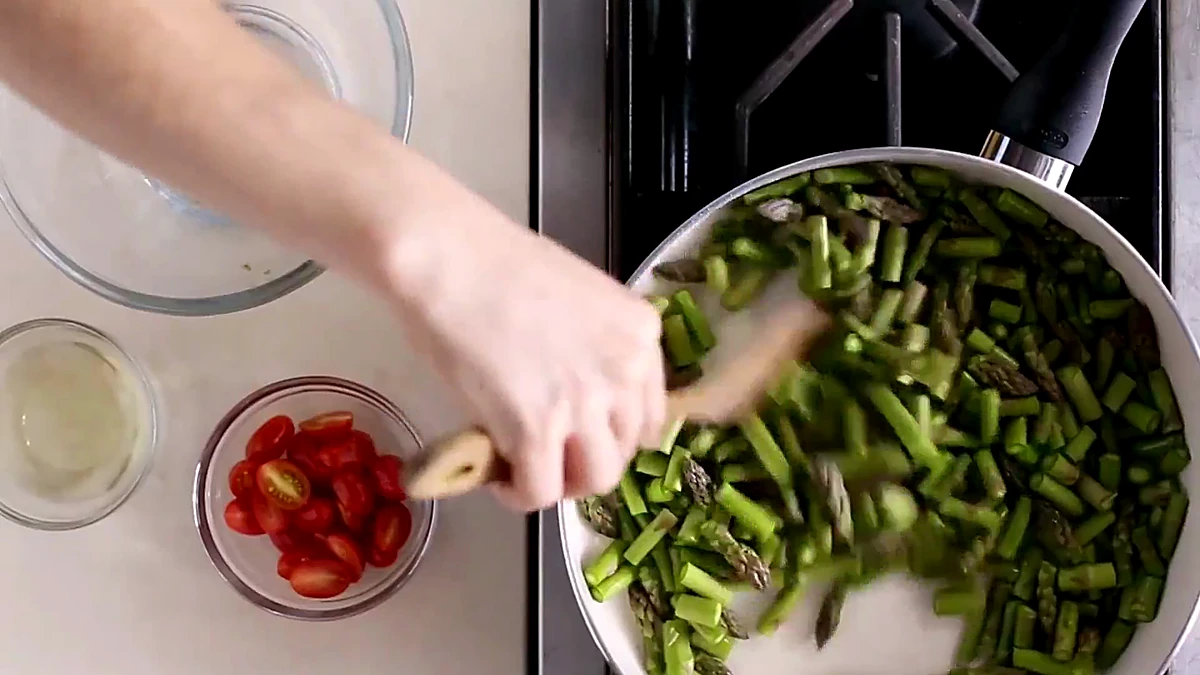
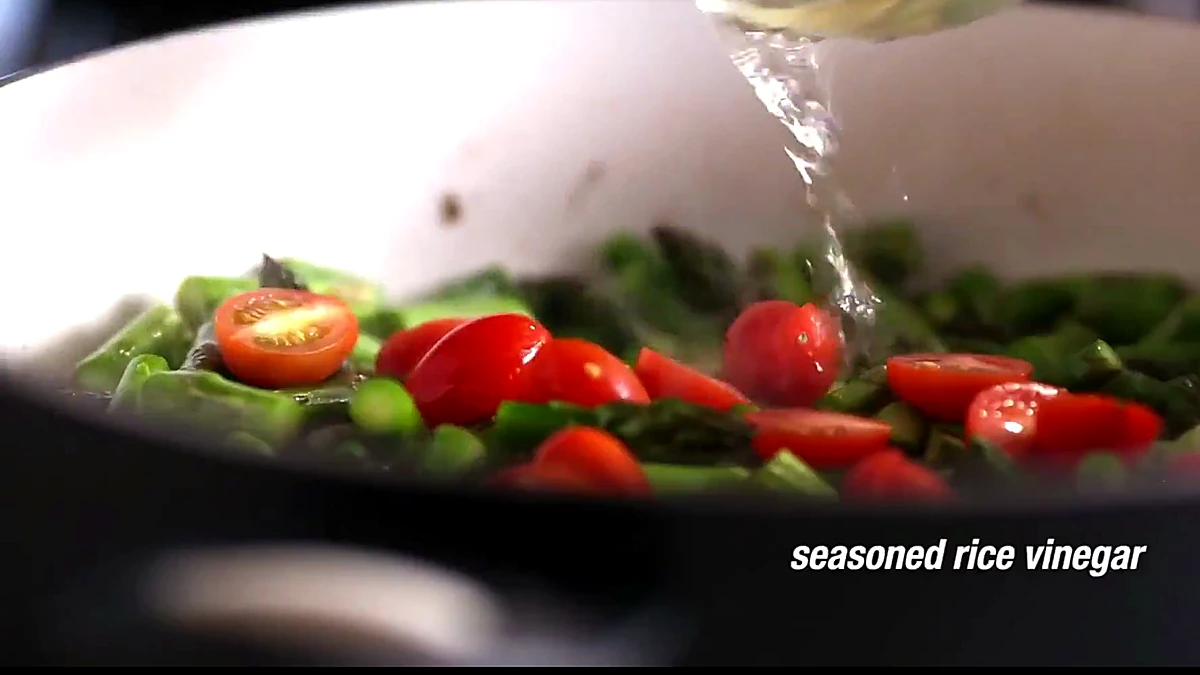
10. Add the tomatoes, vinegar, and pepper
Add the halved grape tomatoes to the asparagus.
Pour in the seasoned rice vinegar, then add pepper and stir until the tomatoes soften a little.
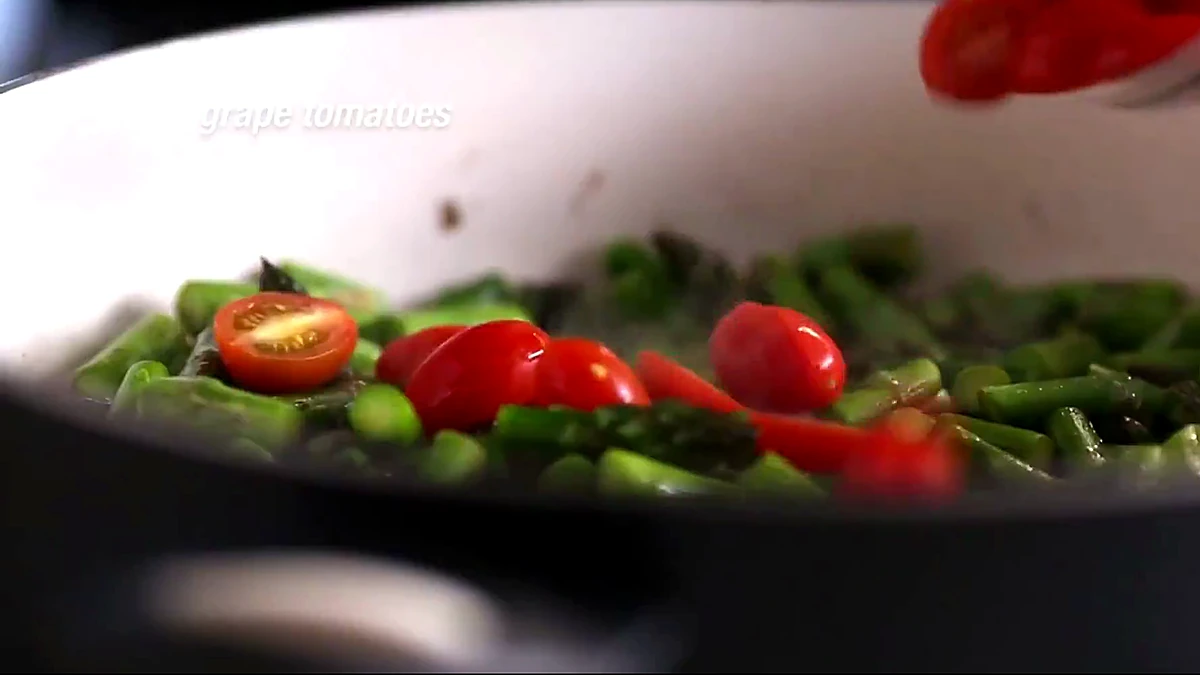
11. Finish the salad with almonds and Manchego
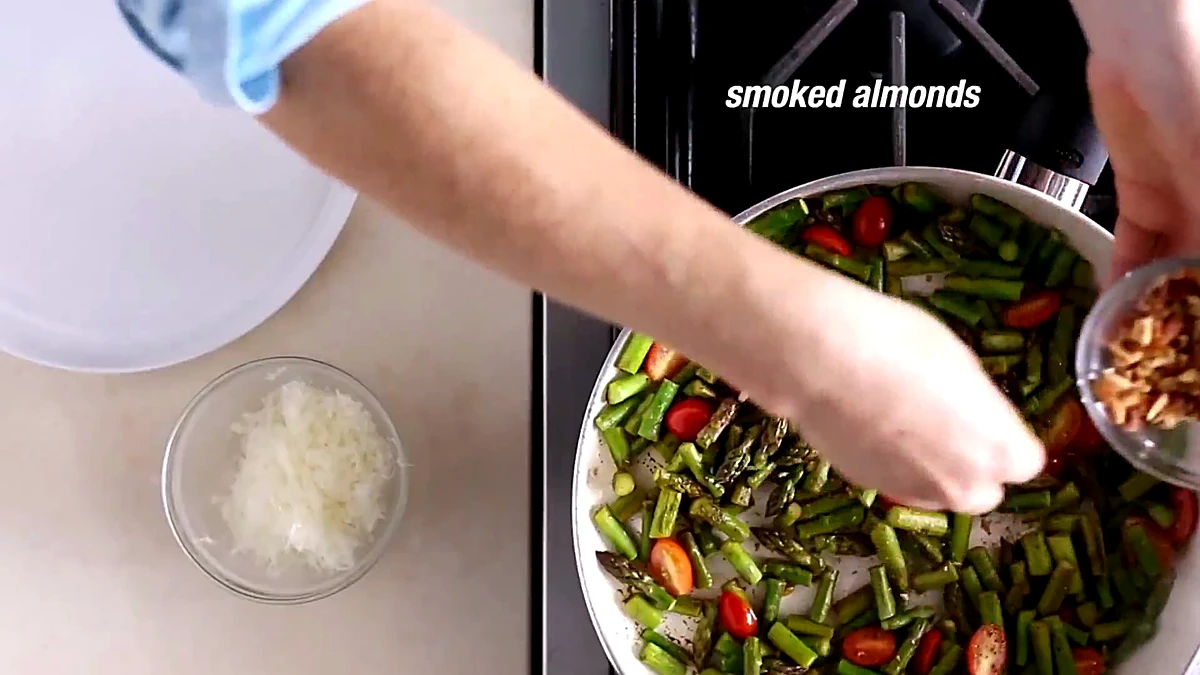
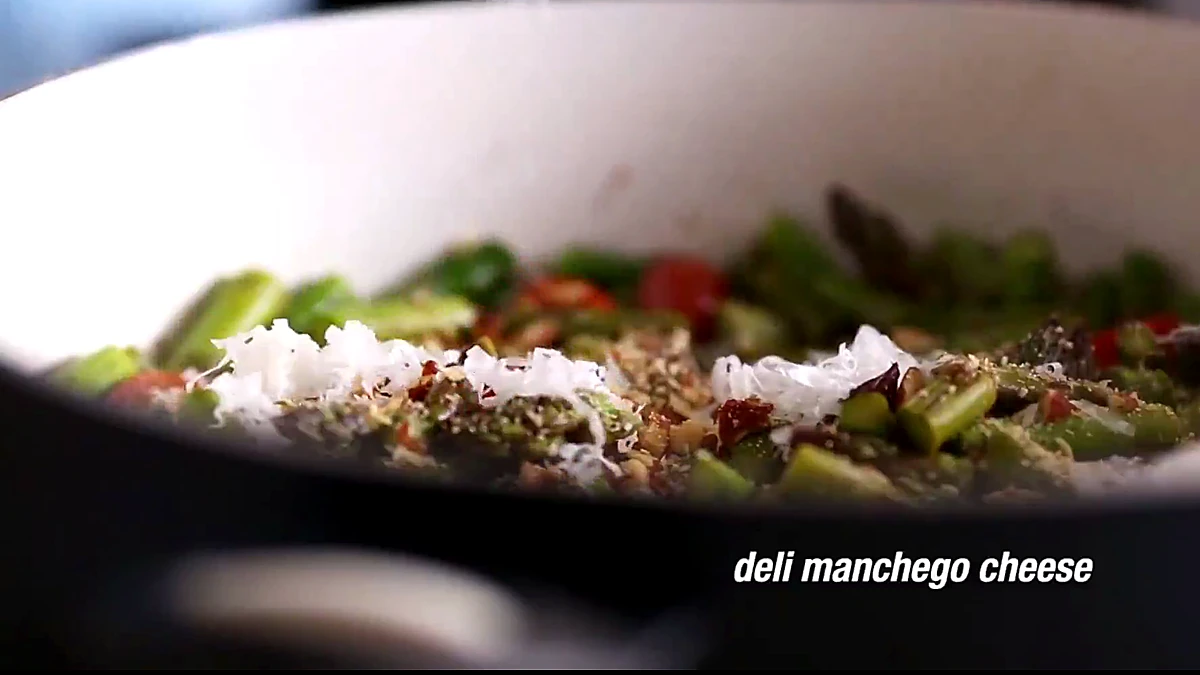
Take the pan off the heat and sprinkle in the smoked almonds.
Add the grated Manchego over the warm vegetables so it softens just enough without disappearing.
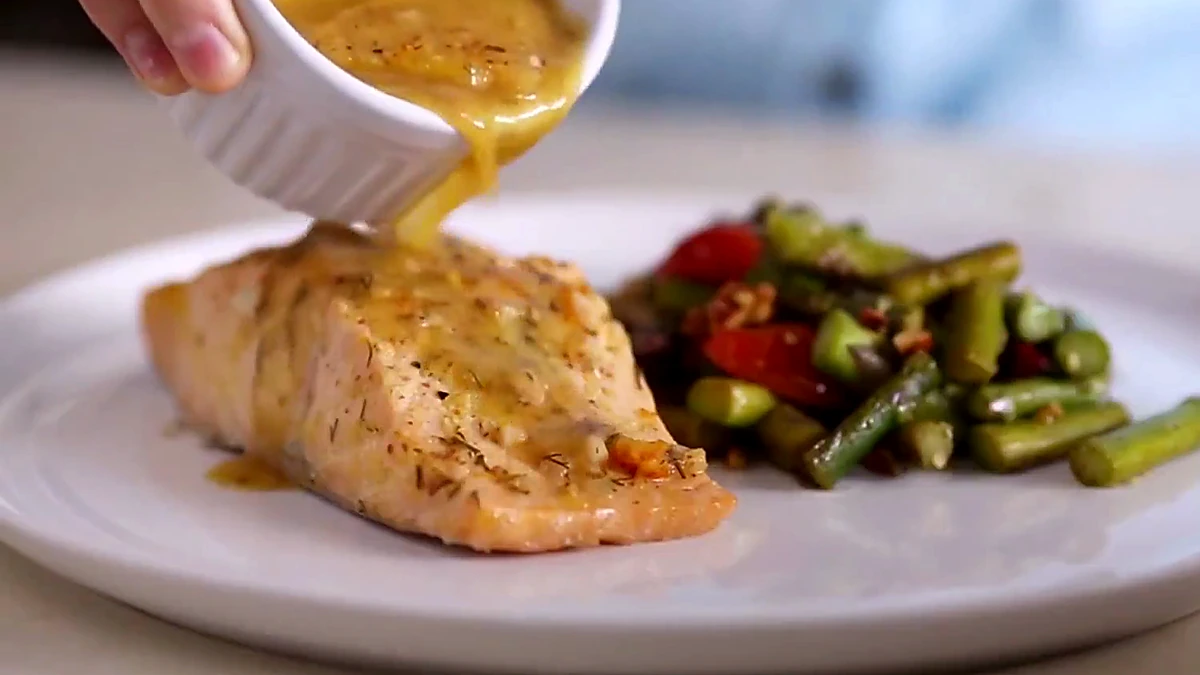
12. Plate the salmon and spoon on the sauce
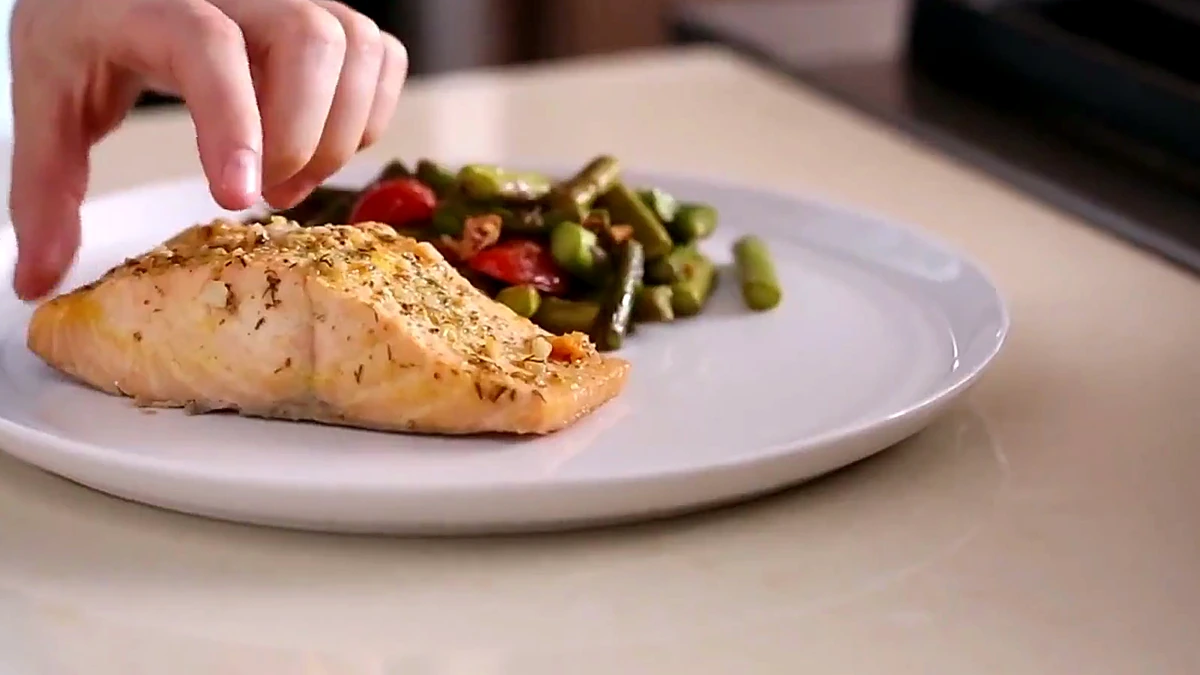
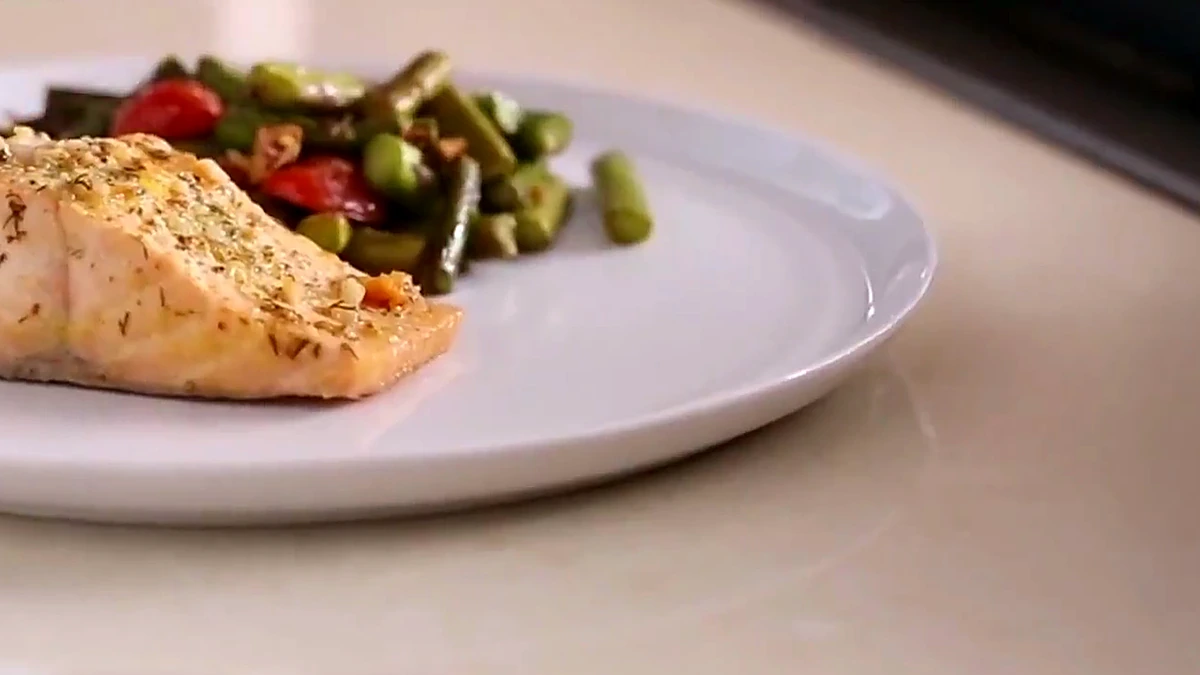
Set the salmon on a plate with the asparagus almond salad tucked beside it.
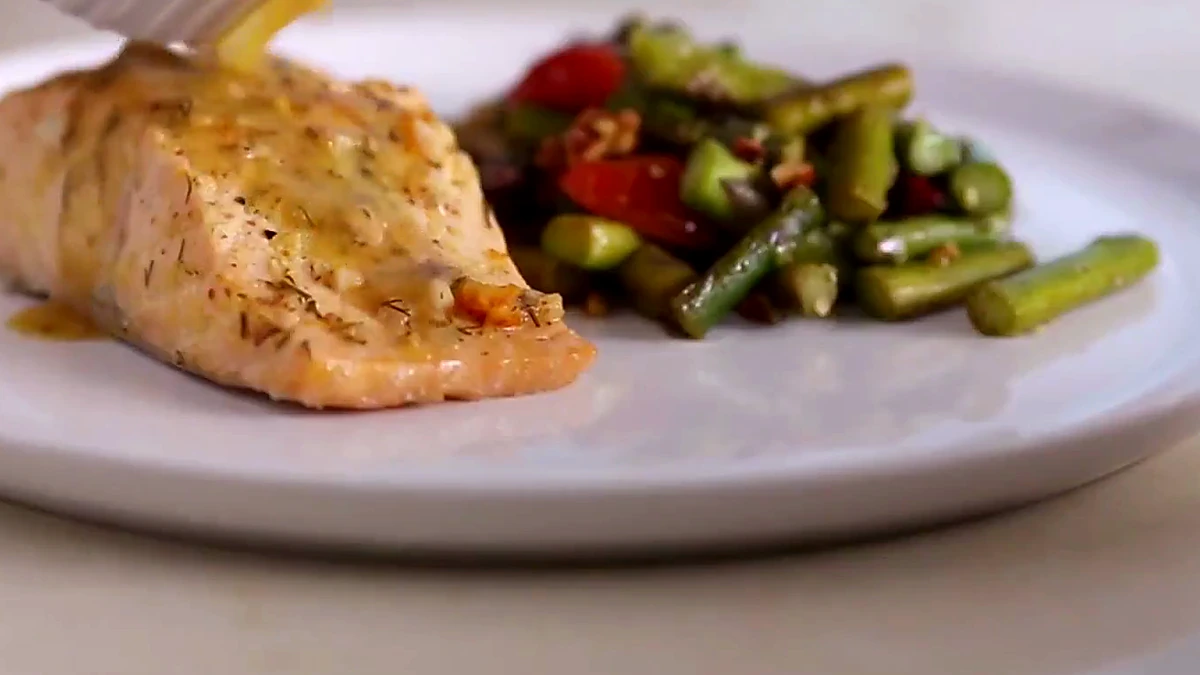
Spoon the orange Dijon sauce over the fish, and yeah, let a little sauce run onto the plate because that is where the good stuff lands.
Little Cues That Help
The salmon should look opaque and separate easily when you press it with a fork.
The asparagus should be tender but not limp, because sad asparagus is a tiny kitchen tragedy.
The sauce is ready when the marmalade melts in and the butter makes it look glossy.
Serve It With A Little Something
This plate already has fish and vegetables, so you do not need to fuss much.
Rice, gluten free bread, or fresh fruit on the side would make it feel like a full dinner without stealing the show.
How To Keep The Leftovers
Store the salmon and asparagus salad in covered containers in the fridge.
Keep the sauce separate if you can, then spoon it over the salmon after reheating gently.
This is best eaten within 2 days, mostly because salmon gets a little moody after that.
Quick Answers
Can I use chicken broth instead of sweet white wine?
Yes, chicken broth works here because the orange juice, dill, garlic, marmalade, and Dijon still bring the main flavor.
How do I know when the salmon is done?
The salmon should be opaque and should flake apart easily, and fish should reach 145 degrees F in the center.
Can I use Parmesan instead of Manchego?
Yes, Parmesan works if that is what you have, but use the same light sprinkle so the salad stays fresh.
Do I have to keep the orange slices in the sauce?
The orange slices are part of the sauce, so keep them in the pan and stir gently when the butter goes in.
Salmon Asparagus Salad With Orange Dijon Sauce
This salmon asparagus salad pairs citrus poached salmon with a quick orange Dijon sauce, warm asparagus, grape tomatoes, smoked almonds, and Manchego cheese.
- Prep Time: 20 minutes
- Cook Time: 25 minutes
- Total Time: 45 minutes
- Yield: 4 servings
- Category: Main Course
- Method: Stovetop
- Cuisine: American
- Diet: Gluten Free, Pescatarian
Ingredients
- 1/2 cup sweet white wine, or chicken broth
- 1/2 cup fresh orange juice
- 2 cloves garlic, finely chopped
- 1 tablespoon fresh dill, finely chopped
- 1/2 orange, sliced into thin rounds and quartered
- 4 skinless salmon fillets, about 1 1/2 pounds total
- 1 teaspoon saltfree garlic herb seasoning
- 1/4 teaspoon pepper, plus more for the salad
- 2 tablespoons orange marmalade
- 1 tablespoon Country Dijon mustard
- 1 tablespoon unsalted butter
- 1 1/2 pounds fresh asparagus spears
- 1 cup grape tomatoes, halved
- 1 teaspoon canola oil
- 1/4 cup seasoned rice vinegar
- 3 tablespoons smoked almonds, chopped
- 1 ounce Manchego cheese, grated
Instructions
1. Place sweet white wine, orange juice, garlic, dill, and orange slices in a large saute pan.
2. Cover and bring the mixture to a boil over medium high heat, then reduce heat and simmer uncovered for 7 minutes.
3. Season salmon fillets on both sides with garlic herb seasoning and pepper.
4. Add salmon to the wine mixture and simmer 3 to 4 minutes on each side, until opaque and easy to flake.
5. Transfer salmon to a serving plate.
6. Add orange marmalade and Country Dijon mustard to the pan and cook, stirring, for 1 minute.
7. Remove pan from heat and gently stir in butter.
8. Trim asparagus and cut into bite size pieces.
9. Heat canola oil in a large nonstick pan over medium high heat, then add asparagus and cook for 3 minutes.
10. Stir in grape tomatoes, seasoned rice vinegar, and pepper, then cook 2 to 3 minutes more.
11. Remove from heat and sprinkle with smoked almonds and Manchego cheese.
12. Serve salmon with asparagus almond salad and spoon the orange Dijon sauce over the fish.
Notes
- Cook salmon to an internal temperature of 145 degrees F.
- Use chicken broth instead of sweet white wine if preferred.
- Stir the butter in gently so the orange slices stay mostly intact.
NUTRITION INFORMATION:
Salmon per serving:
- 420 calories
- 22g total fat
- 5g saturated fat
- 105mg cholesterol
- 90mg sodium
- 14g total carbohydrates
- 1g dietary fiber
- 10g total sugars
- 34g protein
- 4% calcium
- 6% iron
Asparagus almond salad per serving:
- 140 calories
- 8g total fat
- 2g saturated fat
- 0g trans fat
- 5mg cholesterol
- 290mg sodium
- 14g total carbohydrates
- 4g dietary fiber
- 7g total sugars
- 4g added sugars
- 7g protein
- 0% vitamin D
- 8% calcium
- 10% iron
- 10% potassium.